
Finding water coming through the ceiling is stressful, especially in the middle of a storm. What you do in the first hour won’t fix the roof, but it can limit the damage inside and make the repair simpler.
Keep yourself safe first
If water is near light fittings, outlets or the electrical panel, switch off the power to that area at the breaker before you go near it. A ceiling that is bulging or sagging can come down suddenly, so keep people and pets out of the room. Don’t climb onto the roof in wind, rain or ice. A wet roof is slippery and dangerous, even for a short look.
Catch the water and protect your belongings
Put a bucket or a large container under the drip, with a towel inside to stop splashing. Move furniture, rugs and electronics out of the way, or cover them with plastic sheeting. If the ceiling has a bulge full of water, a small hole at the lowest point lets it drain into the bucket in one place instead of spreading across the ceiling.
Find where the water is getting in
If you can reach the attic safely, take a flashlight and look for wet insulation, damp roof boards or water running along a rafter. Water often travels before it drips, so the stain on your ceiling may be some distance from the actual leak. Note what you find, but don’t move insulation or step between the joists.
- Wet insulation shows roughly where the water is coming in
- Dark streaks on the roof boards point uphill to the source
- Leaks near chimneys, vents and skylights often start at the flashing
Record the damage
Take photos and short videos of the ceiling, the attic and anything that got wet, before and after you clean up. Write down when you noticed the leak and what the weather was doing. If you plan to make an insurance claim, these records help, and your insurer may want them before permanent repairs begin.
Need help now?
ADZ Roofing is open 24 hours. Call us and we’ll talk you through what to do next and arrange for the roof to be made safe.
Get the roof made safe, then repaired
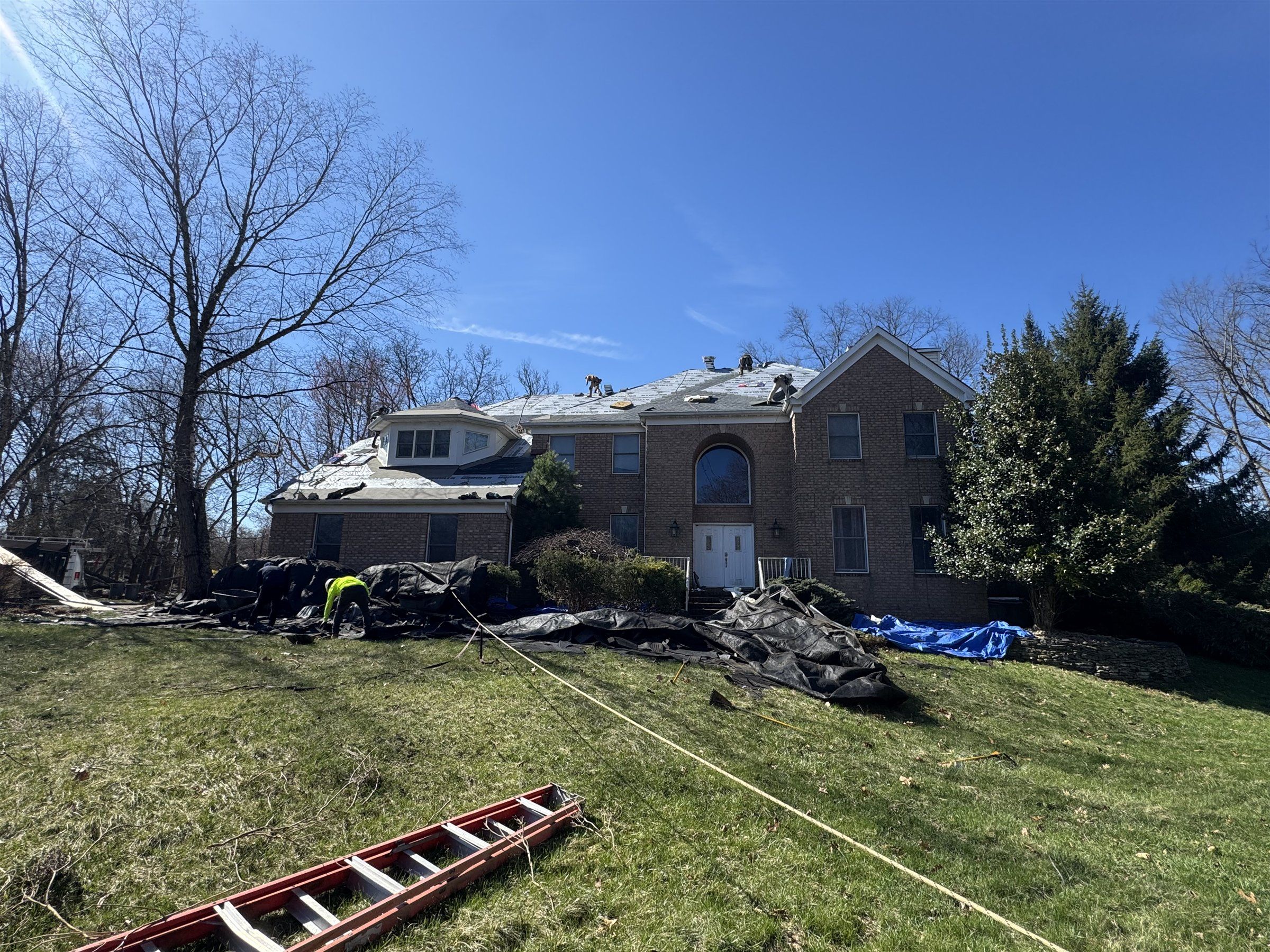
A temporary cover, such as a secured tarp, keeps the weather out until the permanent repair can be done in suitable conditions. Once things are dry, a roofer can find the cause and explain whether a repair will do or the problem is part of wider wear.