
Siding is your home’s raincoat. When it works, rain runs down the outside of the wall and away from the house. When it doesn’t, water gets behind it and can soak the sheathing, framing and insulation long before you see a problem inside.
Look at the siding itself
Walk around the house on a dry day and look closely at each wall. Panels that are warped, bulging, cracked or loose are easy ways in for wind-driven rain. On wood siding, look for boards that are split, cupped or soft when you press them. Gaps where panels meet, around windows and doors, or at the corners deserve a closer look too.
- Warped, buckled or loose panels
- Cracks, holes or missing pieces
- Soft, swollen or rotting wood and trim
- Gaps or failed caulking around windows and doors
Check for signs inside
Water behind the siding often shows up indoors first. Peeling paint or bubbling wallpaper on an outside wall, damp patches near window frames and a musty smell in one room are all worth investigating. In the basement, look for staining on the top of the foundation wall, where water running down the inside of the wall often ends up.
Watch for mold, stains and pests
Dark streaks, green growth or staining that keeps coming back on the outside of the siding can mean moisture is staying in the wall. Insects and small animals look for soft, damp wood, so new activity around the walls can be another clue.
Not sure what you’re looking at?
Send us a few photos or ask for a visit. We’ll tell you whether a repair will do or the wall needs a closer look.
Don’t forget the roof and gutters
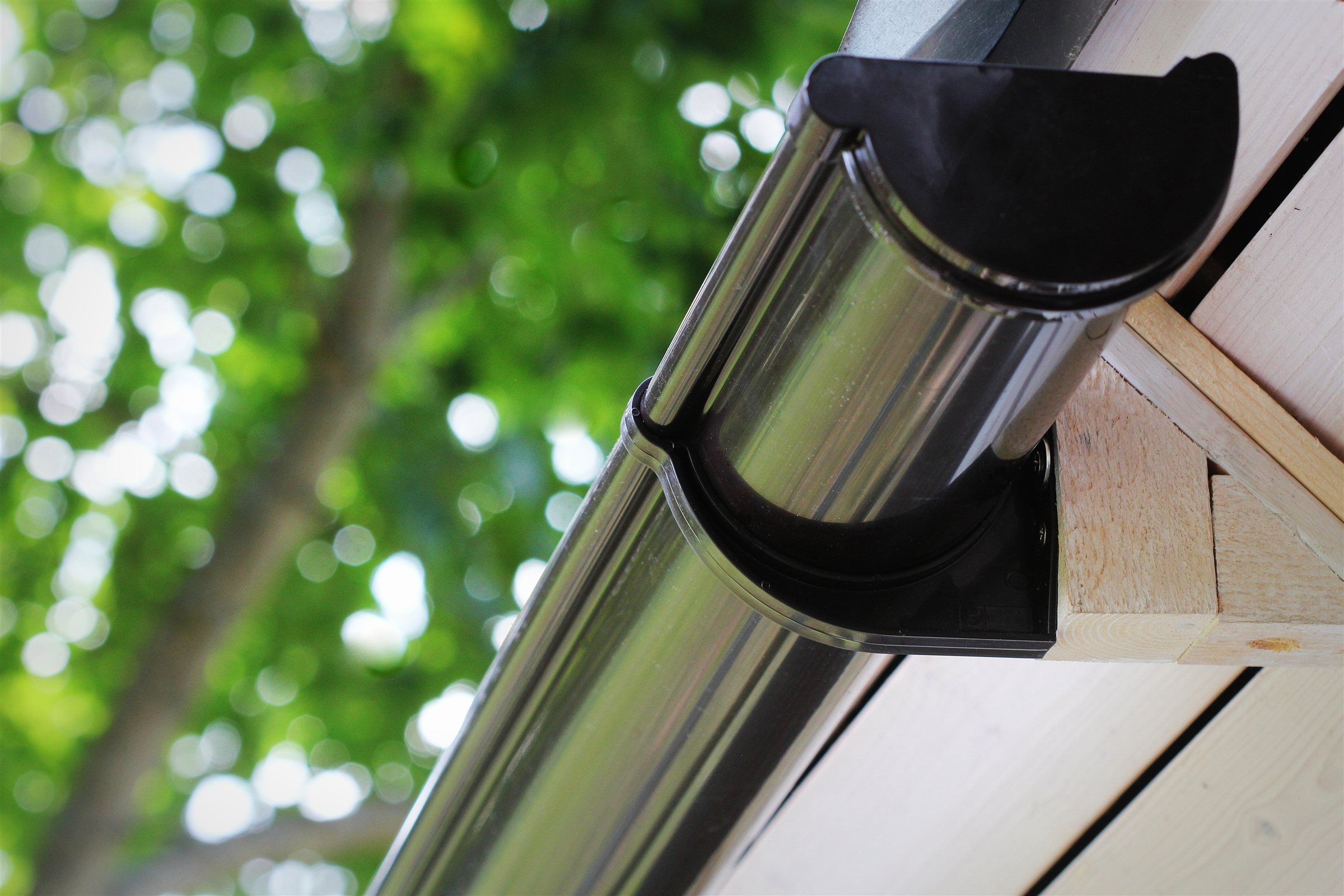
Many siding problems start above the wall. Overflowing or leaking gutters pour water down the siding, and missing flashing where a roof meets a wall sends water straight behind it. Fixing the siding without fixing the source means the problem comes back.
What to do next
Small, isolated damage can often be repaired by replacing the affected panels and resealing the gaps. If the damage is widespread, the sheathing behind it is soft, or the siding is near the end of its life, replacing it lets you deal with the wall underneath at the same time.